
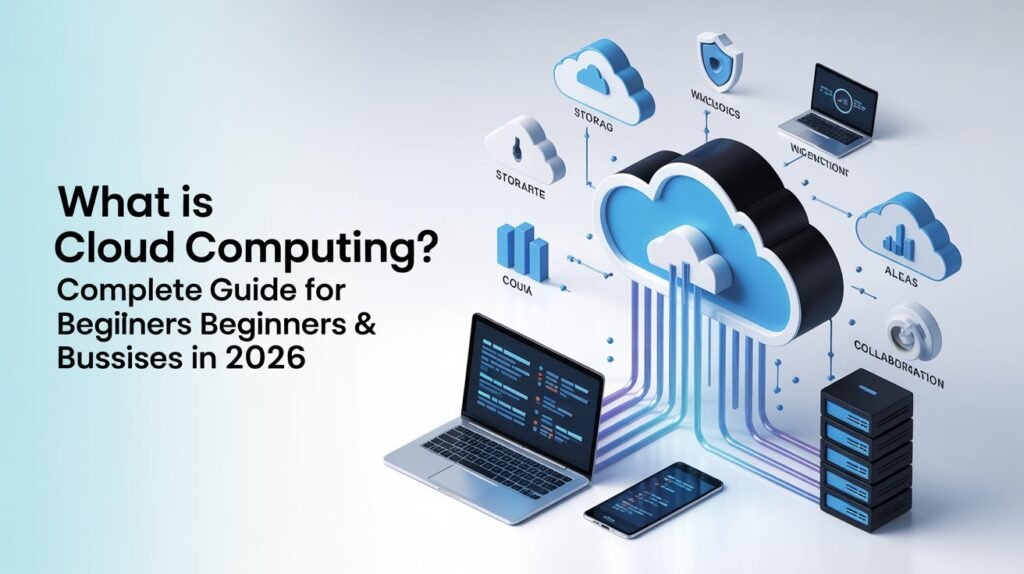
Summary : Modern businesses rely on cloud computing to access digital infrastructure and remote storage without heavy hardware investment. You interact with data through internet-connected platforms that scale instantly. This model transforms how organizations deploy software while enabling flexible operations and faster innovation cycles across industries.Digital transformation accelerates as businesses adopt cloud computing to access scalable infrastructure and remote services without heavy hardware costs. You store data, run applications, and collaborate online from anywhere. This flexible model reshapes operations, boosts efficiency, and helps organizations respond quickly to market changes.
Growing demand for agility pushes companies toward on-demand resources and virtual environments that simplify workflows. Instead of managing physical servers, teams access applications online. This approach improves accessibility, boosts collaboration, and allows systems to adapt quickly to sudden workload changes and operational requirements.
Evolution and Origins of Cloud Computing
Early computing depended on localized machines and costly infrastructure. Over time distributed systems and network virtualization reshaped digital access. Businesses shifted from fixed environments to shared resources that operate across remote servers. This transition laid the foundation for scalable and efficient service delivery.
Technological maturity accelerated adoption worldwide. Data centers and internet bandwidth expansion fueled new computing models that support massive workloads. Enterprises began migrating applications online to enhance reliability and reduce maintenance burdens while gaining flexibility in deployment strategies.
How Cloud Computing Works
Behind every cloud service lies a network of virtual servers and resource orchestration tools that manage computing power dynamically. Requests travel through internet protocols then connect users with remote infrastructure instantly. This seamless process hides complexity while ensuring smooth user experiences.
Engineers design systems to allocate workloads intelligently using load balancing and virtual machines that respond to demand fluctuations. When traffic spikes platforms scale resources quickly. That elasticity prevents downtime and maintains consistent performance across applications and services.
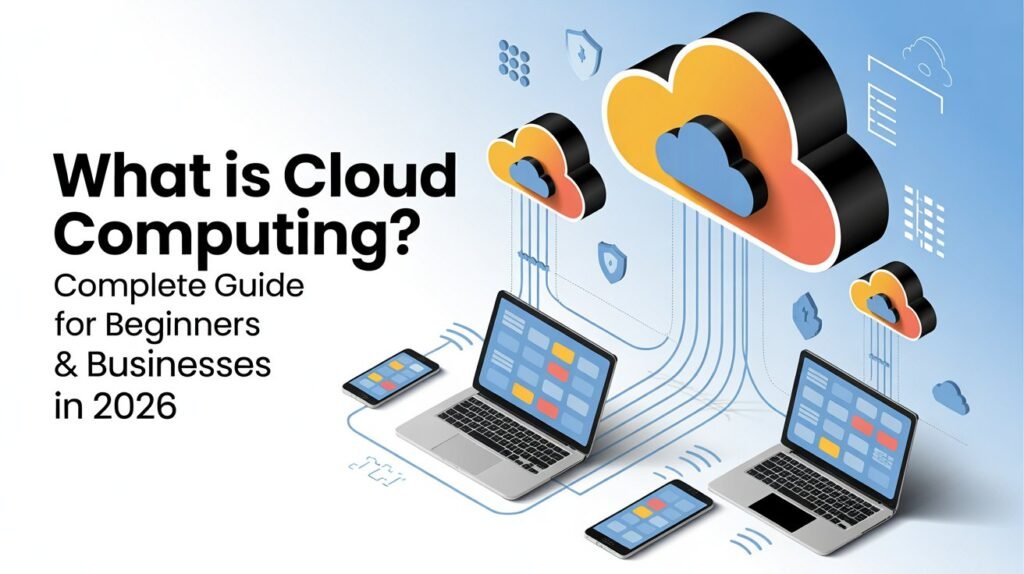
Core Components of Cloud Computing
Infrastructure combines networking frameworks and storage architectures to support digital operations. Servers process workloads while databases manage structured information. Applications run within secure environments that enable continuous interaction between users and systems.
Service reliability depends on backup mechanisms and data redundancy strategies that protect information. If one server fails another instantly replaces it. This resilient design ensures stability and uninterrupted service delivery across large-scale deployments.
Types of Cloud Computing Deployment Models
Organizations choose deployment strategies based on operational priorities. Public platforms and private environments offer distinct advantages depending on data sensitivity and scalability requirements. Hybrid combinations provide balance between control and flexibility.
Enterprises increasingly adopt multicloud ecosystems and hybrid architectures to avoid dependency on a single provider. This strategy enhances resilience while improving workload distribution across platforms and geographical locations.
Public, Private, and Hybrid Clouds
Public services deliver shared infrastructure through internet access. Private models operate within dedicated environments for sensitive workloads. Hybrid frameworks connect both ecosystems allowing seamless data movement and operational flexibility across platforms.
Cloud Computing Service Models Explained
Service layers provide structured access to technology resources. Infrastructure services and platform solutions simplify application development without managing hardware. Software services allow users to access tools directly through browsers.
Developers leverage serverless environments and application frameworks to focus on innovation rather than infrastructure maintenance. These models reduce operational complexity while accelerating deployment timelines and product development cycles.
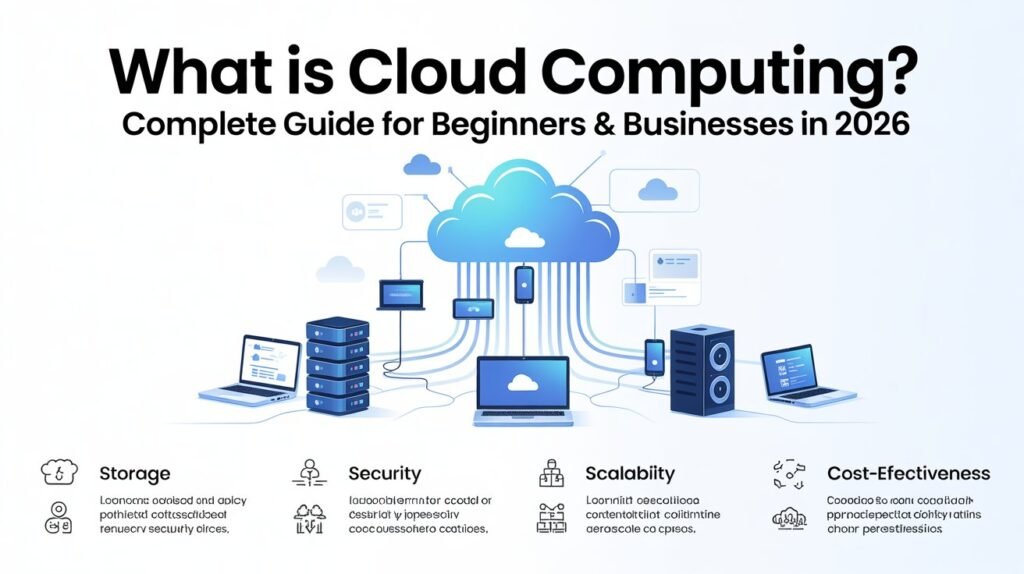
IaaS, PaaS, SaaS, and Serverless
IaaS provides virtual machines and networking resources. PaaS delivers development environments. SaaS offers ready-to-use applications. Serverless executes code automatically when triggered. Each model supports distinct operational needs across industries.
Benefits of Cloud Computing for Businesses
Companies gain agility through scalable infrastructure and cost optimization strategies that eliminate hardware investments. Teams collaborate remotely while accessing real-time data and applications. This flexibility boosts productivity and accelerates innovation across departments.
Improved performance results from automated updates and centralized systems that reduce maintenance burdens. Businesses deploy services quickly then adapt workflows without operational disruption. This responsiveness strengthens competitiveness in dynamic markets.
Cloud Security and Risk Management
Security frameworks safeguard sensitive information through encryption protocols and identity controls that restrict unauthorized access. Monitoring systems detect anomalies and trigger alerts immediately.
Organizations implement compliance standards and threat detection practices to minimize vulnerabilities. Continuous audits ensure protection across distributed environments while maintaining trust among users and stakeholders.
Cloud Computing Use Cases in Real Industries
Industries adopt digital transformation and automation systems to streamline operations. Healthcare manages patient data securely while retailers analyze consumer behaviour using real-time analytics.
Manufacturing relies on predictive maintenance and IoT integration to monitor equipment performance. Financial services use cloud-based analytics for fraud detection and transaction monitoring.
Economic Impact of Cloud Computing
Global markets experience rapid expansion due to technology adoption and digital economies supported by remote infrastructure. Startups enter industries faster without heavy capital investments.
Studies highlight productivity growth and revenue acceleration from cloud innovation and data-driven strategies. Research insights appear at demonstrating widespread economic influence.
Challenges and Barriers in Cloud Adoption
Migration complexity creates operational hurdles for organizations transitioning legacy systems. skill shortages and integration issues slow implementation processes and require specialized expertise.
Concerns about data sovereignty and regulatory compliance influence adoption strategies. Businesses must balance innovation with security while ensuring governance frameworks remain effective.
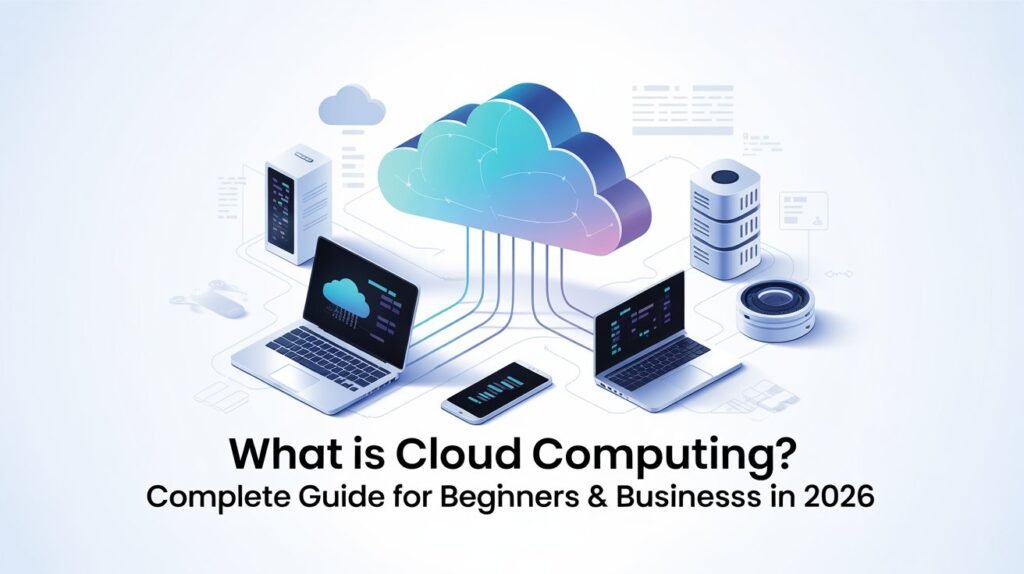
Future of Cloud Computing Technology
Emerging trends reshape digital ecosystems through edge computing and AI integration that process data closer to users. These advancements improve latency and responsiveness.
Sustainability initiatives encourage green infrastructure and energy-efficient data centers designed to reduce environmental impact. Innovation continues to expand possibilities for smarter and more resilient digital operations.
Conclusion
Digital transformation continues accelerating across industries. Organizations embrace cloud computing to enhance operational agility and deliver services efficiently.Technology keeps evolving while cloud computing reshapes how organizations store data, run applications, and scale operations. Businesses gain flexibility, efficiency, and faster innovation through digital infrastructure and on-demand resources.
Those who adapt early strengthen competitiveness and build resilient systems ready for future technological shifts. Future growth will depend on innovation strategies and adaptive technologies that empower businesses. Continuous learning and strategic adoption ensure lasting competitive advantage.
FAQ
What is cloud computing?
Cloud computing delivers online resources and virtual servers through the internet instead of physical systems. Businesses store data, run applications, and scale operations instantly without maintaining local hardware, which improves accessibility and reduces operational complexity.
What are the main types of cloud computing?
Major deployment models include public cloud, private cloud, and hybrid cloud environments. Each model offers different levels of security, flexibility, and scalability depending on organizational needs and infrastructure priorities.
Why do businesses use cloud computing?
Organizations adopt cloud computing for cost efficiency and operational flexibility. Teams access systems remotely, collaborate in real time, and scale resources during peak demand, which improves productivity and speeds up innovation.
Is cloud computing secure?
Modern platforms use encryption, identity controls, and threat monitoring to protect sensitive data. Security frameworks help businesses maintain compliance and reduce risks across distributed digital environments.
What is the future of cloud computing?
Advancements in AI integration, edge computing, and sustainable infrastructure will shape the next phase of cloud adoption. Businesses will rely more on automation and intelligent analytics to enhance decision-making and operational resilience.